

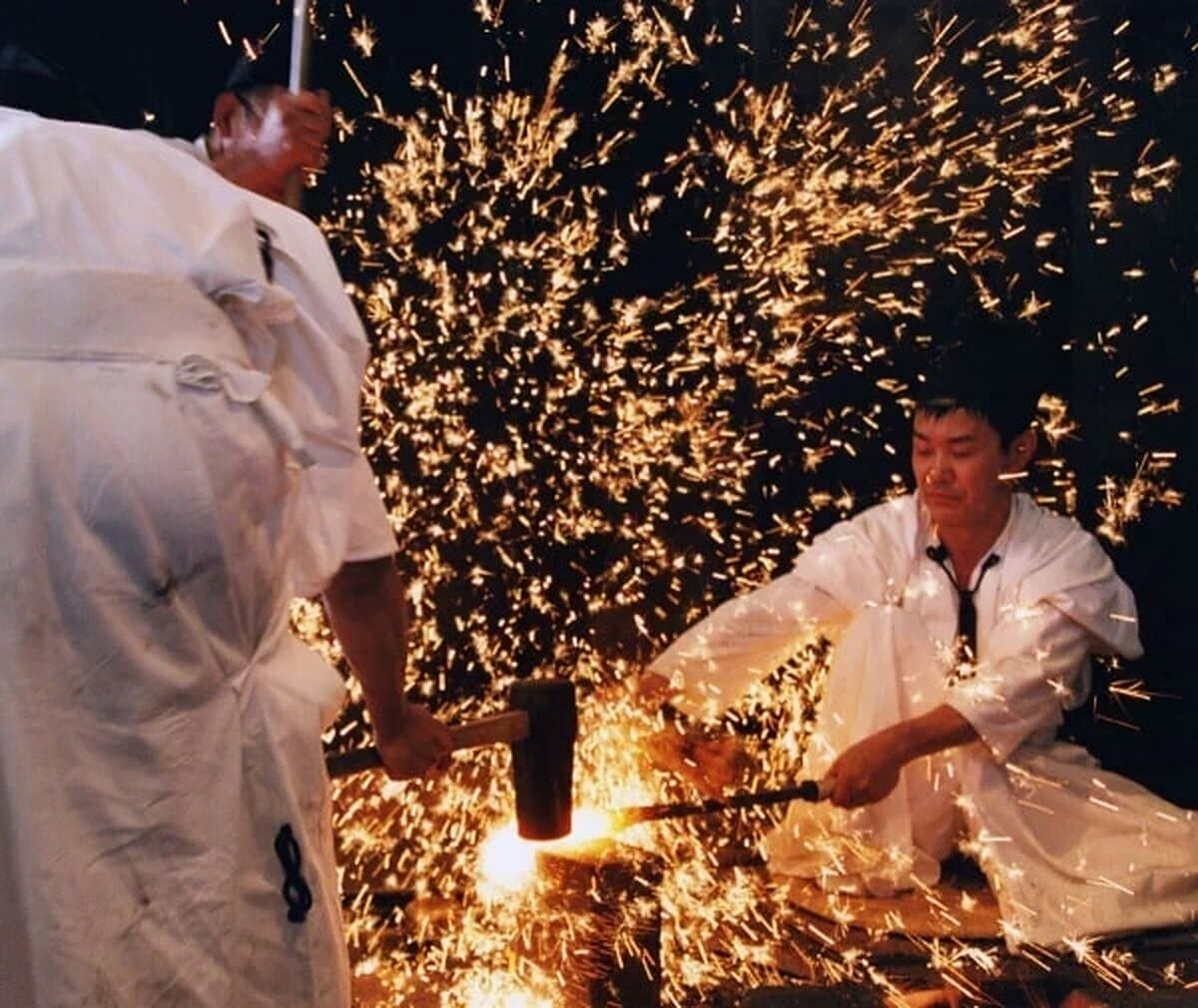
美浜Our story
Every blade remembers
the hands that made it.
Where Mihama comes from, and what we promise the people who cook with it.
浜I · The place
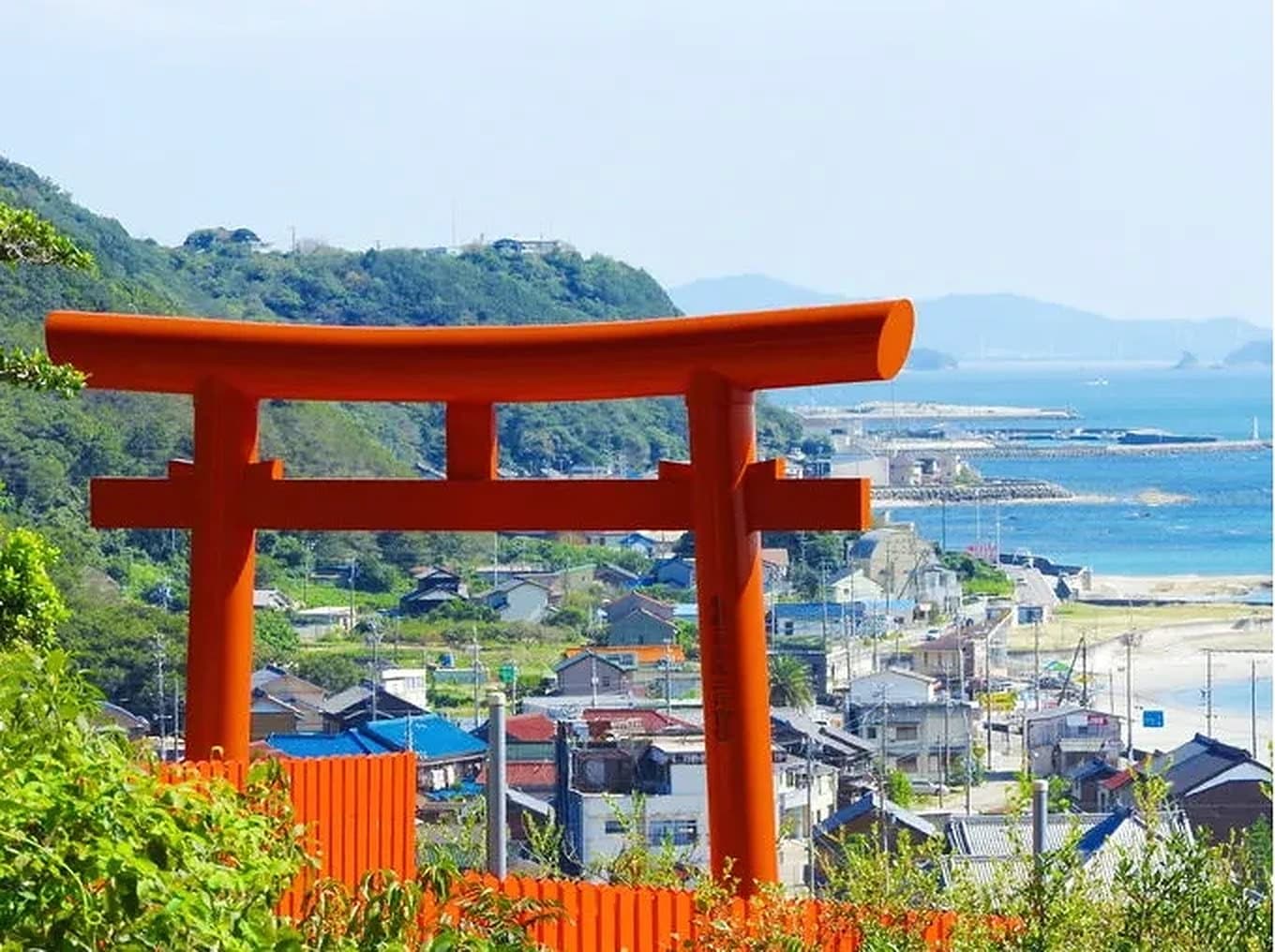
A town that learned steel from the sea.
Mihama means beautiful shore. It is a place of water, and water is the second half of every blade: the quench that hardens hot steel, the stone that brings an edge back.
For centuries the smiths here worked on one problem above all: steel that stays sharp without breaking.
折II · The fold
Hard steel, soft steel, folded together.
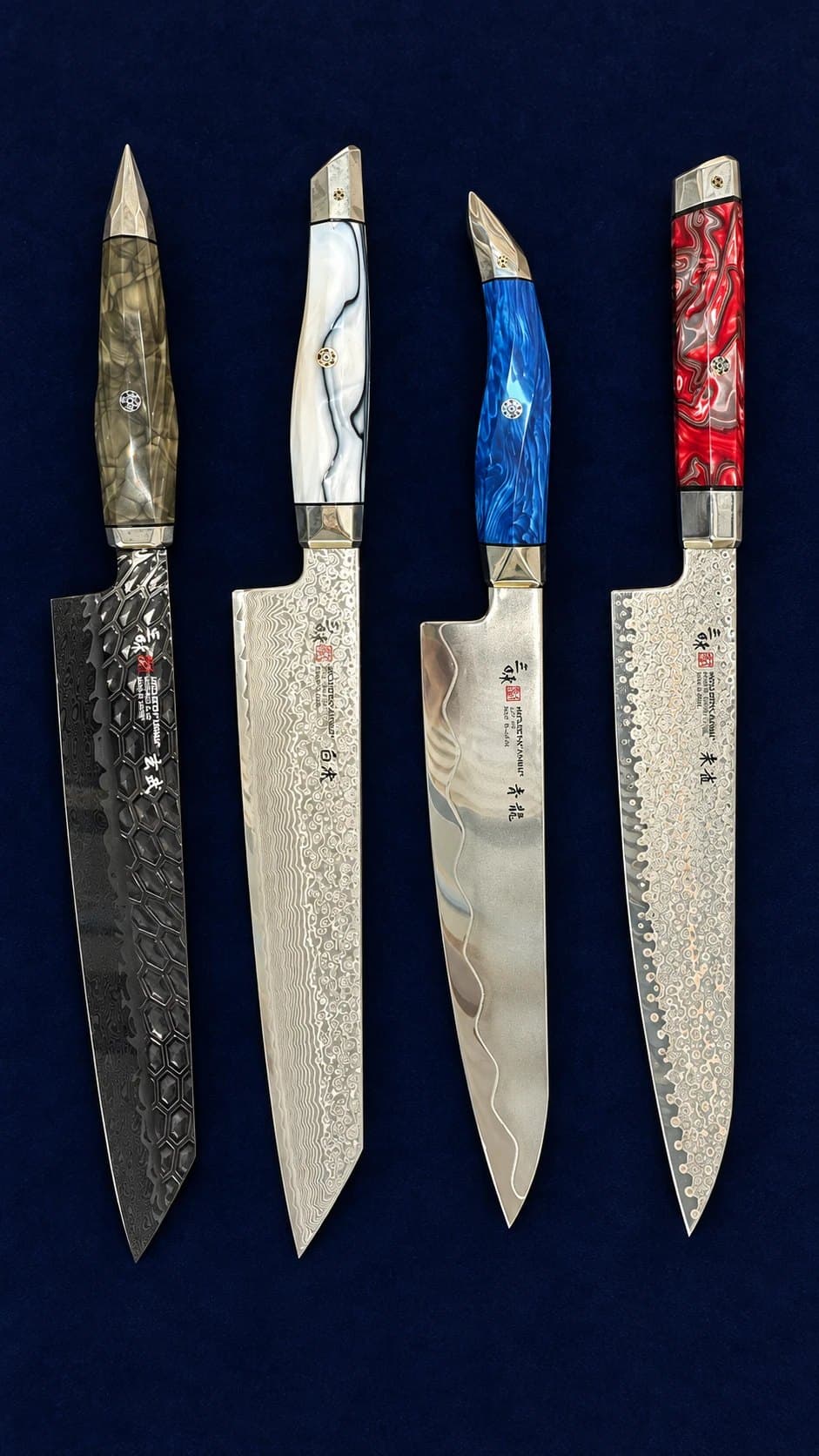
Hard steel takes a fierce edge but chips. Soft steel forgives but dulls. The smiths' answer was to combine them: a hard core for the edge, softer layers around it, welded and folded until they became one.
The folds show as waves across the blade. We call the pattern Damascus. It is not decoration; it is the record of how the blade was made.
火III · Fire and water
The edge is decided in a few seconds.
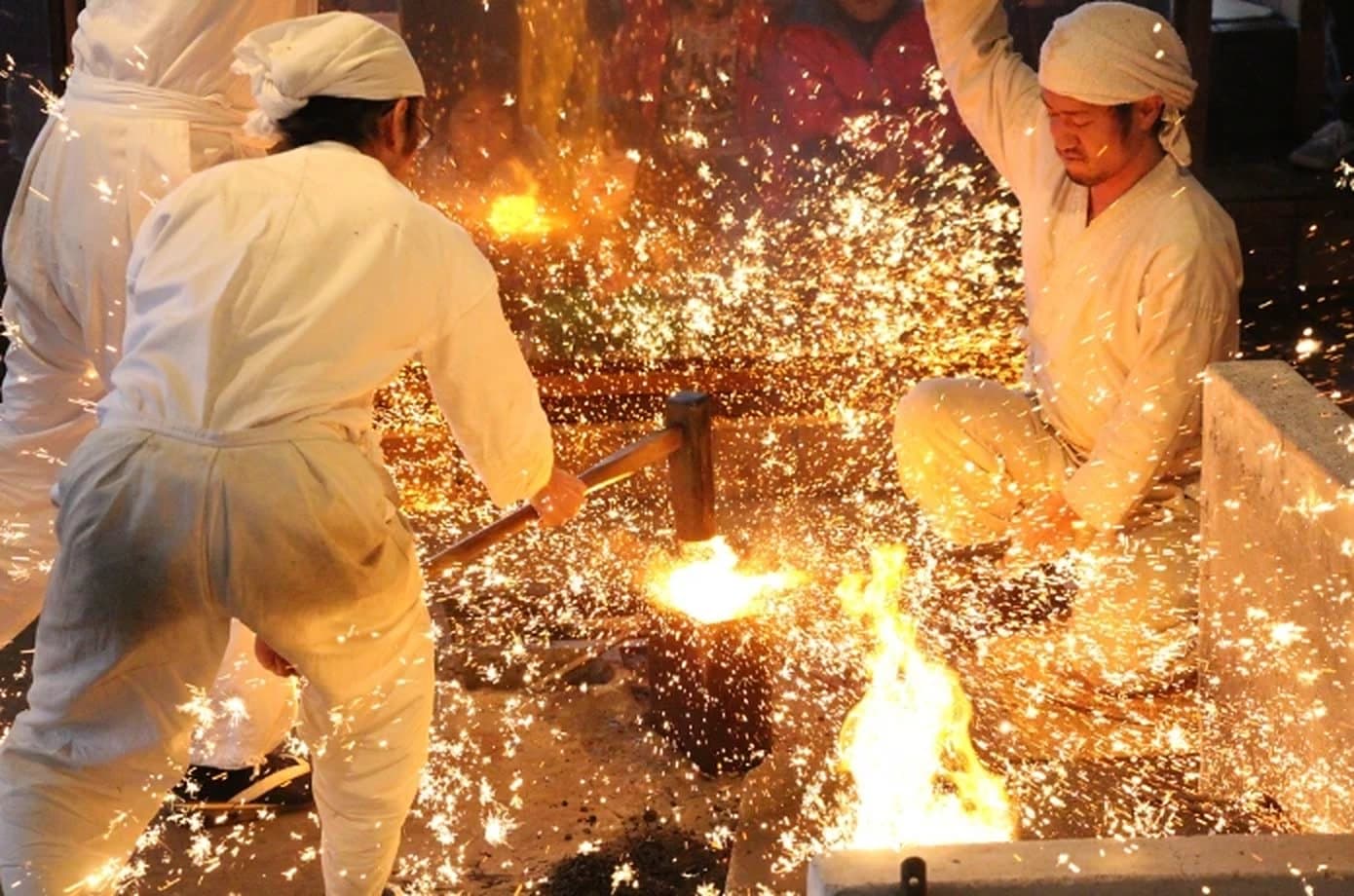
Heat the steel to orange, plunge it into water, and the structure locks. Too hot and it cracks; too cool and it stays soft. The old smiths judged the moment by colour, by eye.
A Mihama blade is tempered to 56 HRC: hard enough to hold a 10° edge, soft enough to flex instead of shatter. The same balance, measured now instead of guessed.
今IV · Today
From the sword to the santoku.
When Japan set its swords aside, the smiths turned to the kitchen. The same steel, the same grind, the same care went into knives meant to be used every day.
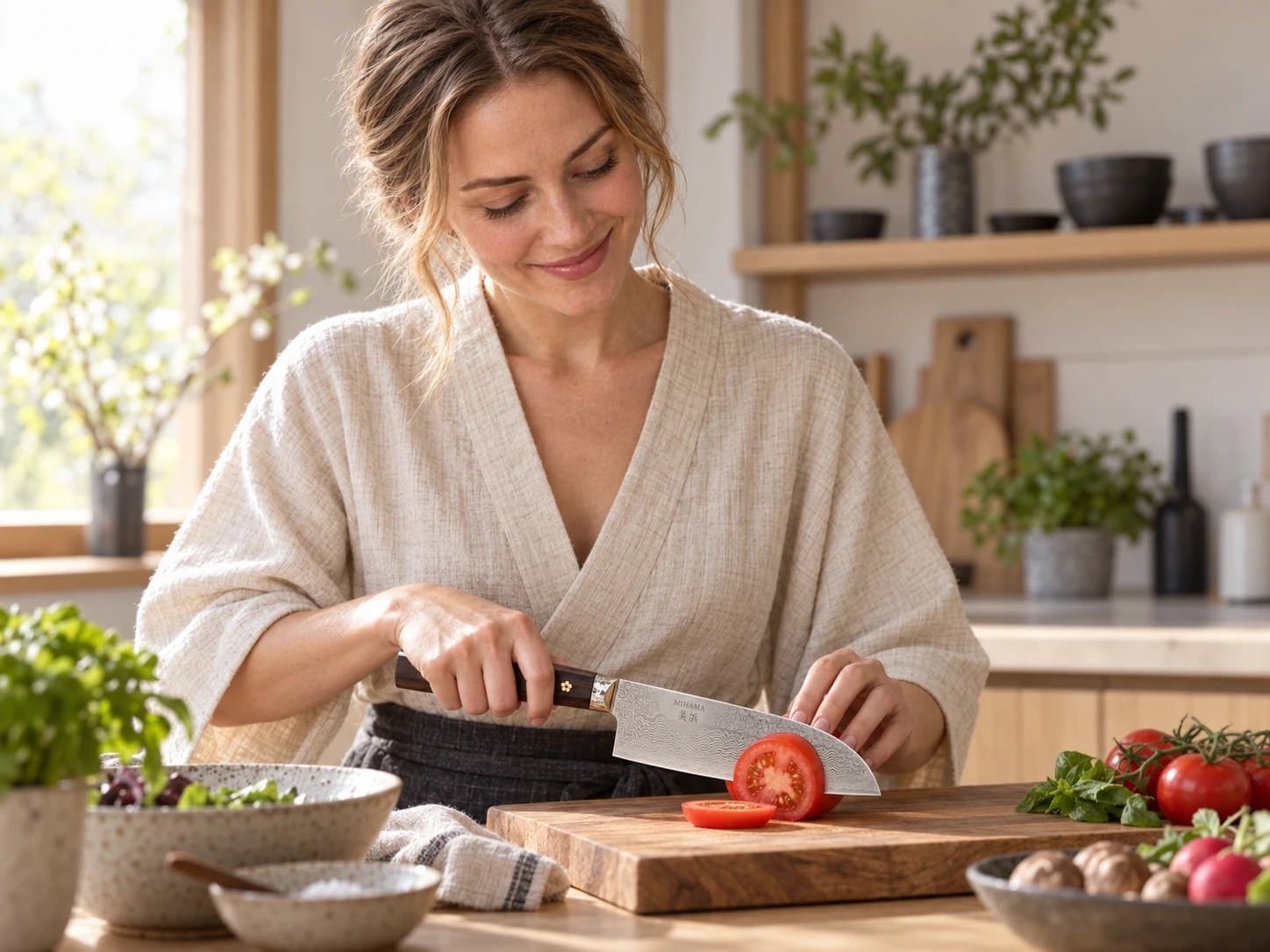
Mihama carries that art to kitchens around the world: honest steel, a fine edge, a handle that fits, a stand that keeps the blades in sight. And because nothing this well made should be thrown away, every set comes with lifetime care.
Our promise
Knives we would want in our own kitchens. Honest advice on keeping them. And if a blade or stand ever fails you, a replacement or a refund, for as long as you own it. No forms, no fine print.